How Concrete Testing Plans Can Support Project-Specific Requirements
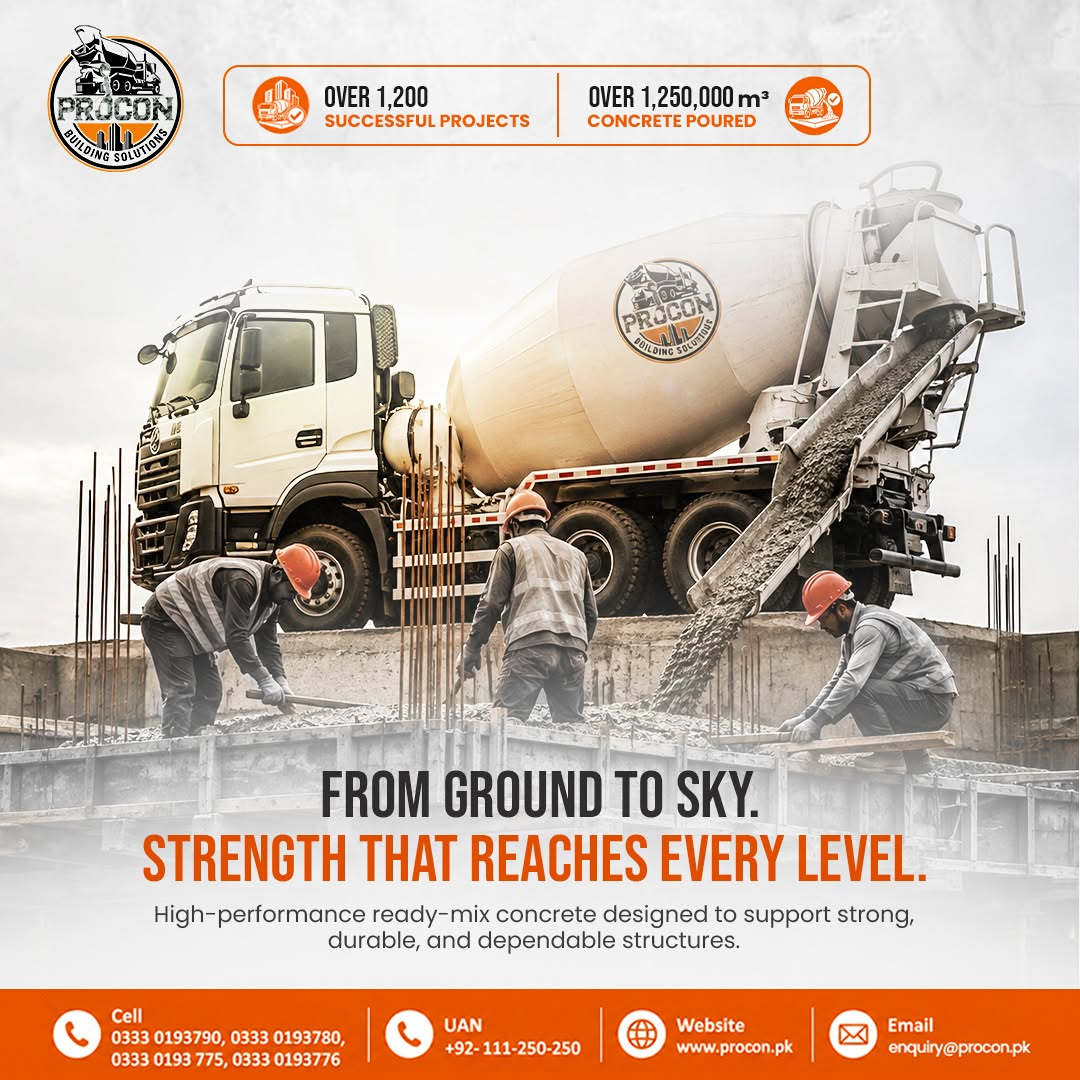
Executing complex architectural structures, high-rise towers, and heavy civil engineering works requires customized material strategies that go far beyond standard building specifications. Every construction site presents distinct structural loads, environmental pressures, and architectural constraints, meaning that a one-size-fits-all approach to material supply is rarely effective. Designing and executing a tailored concrete testing plan ensures that the mixture performs precisely as engineered under unique operational conditions. By implementing rigorous quality assurance protocols and sourcing high-performance materials from industry pioneers like ready made concrete Karachi, project managers can mitigate risks, verify structural durability, and meet stringent municipal building codes.
Project-specific requirements often demand specialized concrete formulations designed to withstand severe environmental exposure or exceptional load-bearing pressures:
- High-Strength and Self-Compacting Mixes: Skyscraper foundations and densely reinforced columns require specialized fluid mixes that consolidate without mechanical vibration while achieving massive compressive strengths.
- Thermal and Chemical Resistance: Structures built in aggressive soil conditions or coastal marine environments need bespoke additive blends to prevent sulfate attack, chloride penetration, and thermal cracking.
- Controlled Setting Times: Large-scale continuous pours in extreme weather require customized retarders or accelerators to maintain optimal workability and prevent premature curing.
A customized testing plan establishes clear benchmarks across the entire lifecycle of the material, from initial batching plant arrival to final curing:
- Pre-Pour Slump and Workability Audits: Regular on-site consistency testing ensures that the delivered material matches the specific flow requirements dictated by complex formwork geometries.
- Cylinder and Cube Compressive Testing: Routine destructive testing at 7-day and 28-day intervals provides empirical verification that structural members meet engineered load-bearing thresholds.
- Non-Destructive Evaluation Methods: Utilizing rebound hammers or ultrasonic pulse velocity testing allows engineers to assess in-situ concrete strength without damaging finished architectural elements.
Integrating testing protocols seamlessly into construction schedules prevents project bottlenecks while ensuring complete regulatory compliance:
- Coordinating with Engineering Consultants: Ensuring that third-party inspectors are present during critical sampling phases validates the integrity of the audit trail for project stakeholders.
- Documenting Batch and Test Correlations: Linking specific delivery tickets to corresponding lab test results allows quality control teams to trace structural performance back to exact batching parameters.
- Partnering with Certified Supply Specialists: Collaborating with trusted providers of ready made concrete Karachi ensures consistent batching standards and reliable technical support throughout the testing phase.
Customized concrete testing plans are essential instruments for addressing the unique demands of modern, complex construction projects. By tailoring mix designs, enforcing rigorous quality control protocols, and maintaining transparent audit trails, project teams can eliminate structural uncertainties and guarantee long-term durability. Proactive testing safeguards both capital investments and public safety. To source dependable building solutions and expert technical support tailored to your project-specific requirements, visit Procon today.
Survey No. 423, Ibrahim Hydri, behind Bol head quarter, Korangi creek road, Karachi-74900
+92 21 111 250 250